
How Hard Is The TEF Exam? Breakdown for Test Takers
Table of Contents7 sections
If you’re considering the TEF exam, chances are you’ve already asked yourself: “How hard is this exam, really?” The short answer is: it’s challenging, but absolutely manageable with the right preparation.
Let’s break down why the TEF feels tough, how it compares to other French exams, and what you can do to make it easier.
TEF Exam Format: Quick Overview
The full TEF (including TEF Canada) tests four skills in one 3-hour session:
- Compréhension Écrite (TEF Reading): 60 min, 50 questions (multiple-choice on texts like ads, articles).
- Compréhension Orale (TEF Listening): 40 min, 60 questions (audio clips: conversations, announcements).
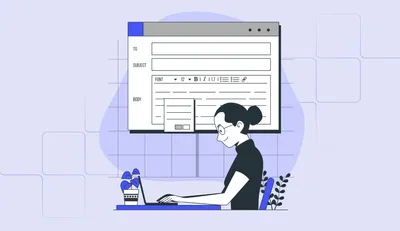
- Expression Écrite (TEF Writing): 60 min, 2 tasks (email + opinion piece).
- Expression Orale (TEF Speaking): 15 min, 3 tasks (simulated interviews, debates).

How Tough Is the TEF Exam for You?
Based on the level you’re starting and your target level, the difficulty of the exam can change:
Starting Level | Target Level (e.g., for Quebec) | Realistic Difficulty | Minimum Prep Time |
Beginner (A1–A2) | B1–B2 | High | 9–12 months |
Intermediate (B1) | B2 | Moderate to High | 6–9 months |
Upper-Intermediate (B2) | B2–C1 | Moderate | 3–6 months |
Advanced (C1+) | C1–C2 | Low to Moderate | 1–3 months |
Difficulty Breakdown By Section
Let’s review the four main sections of the tests and their difficulties:
1. Reading: Medium Difficulty
- Difficulty level: It starts off simple, but gets harder as the texts get longer and include tricky vocabulary like idioms or synonyms.
- Time pressure: You’ll need to answer 50 questions in 60 minutes, so reading quickly is key. Many non-native speakers struggle with the pace.
- Common mistake: Getting stuck on cultural references, especially in French news stories.
2. Listening: Medium-Hard
- What’s tested: Multiple-choice questions based on audio clips (conversations, news, etc.). You’ll hear both Quebec and France accents.
- How hard? It’s fast. Wrong answers often sound right. Even native speakers find it tough.
- Common mistake: Missing keywords, especially when there’s background noise.
3. Writing: Hard
- What’s tested: Two tasks, an informal email (100–120 words) and a formal opinion piece (180–200 words).
- How hard? You’re graded on grammar, structure, vocabulary, and spelling. You’ll need to plan, write, and review, all in under an hour.
- Common mistake: Writing basic sentences. Graders expect advanced connectors like par conséquent or cependant.
4. Speaking: Medium
- What’s tested: 3 parts in 15 minutes, describe a photo (2 min), do a role-play (5 min), and give your opinion in a short debate (6 min).
- How hard? You need to speak clearly and fluently. Nerves can affect your accent and flow. It’s about the same level as DELF B2.
- Common mistake: Giving short or basic answers. Add details and examples to show your level.
Overall Hardness: On a 1–10 scale? 6–7 for those who want B2.
Moreover, there are some other factors that can make the test more challenging. For example:
The scoring system is strict. If your response misses key elements, even if it’s mostly correct, you won’t get credit.
Also, while you can retake the TEF, some test centers have waiting periods or limited availability. That makes it harder to “try again” quickly if your first attempt doesn’t meet your goals.
Additionally, although some test takers spend the proper time studying for the test, sometimes they don’t get the results they want. Let’s see why this happens:
Common Mistakes That Make the TEF Exam Difficult
When studying for TEF, four common mistakes can make the test difficult for you:
- Skipping timed practice → leads to poor pacing
- Ignoring grammar drills → grammar is tested directly and indirectly
- Over-focusing on one skill → TEF requires balance across all sections
- Underestimating oral exam stress → fluency matters as much as accuracy
Real Test Takers Experience
Let’s see what real test takers say about this test. A user on Reddit mentioned that although some of the questions were hard, if you prepare well for the exam, you can handle them:

Another user mentions that learning French in 6 to 8 months is really hard unless you already speak a similar language, like Spanish, or can study over 5 hours a day, which isn’t realistic if you have a job, friends, or other responsibilities.
French isn’t just about learning words; you also need to master grammar, verb forms, fast accents, and speaking clearly under pressure.

Anyway, almost all the users who have taken the TEF exam have a common opinion: You have to practice well for success. Let’s see how:
How to Make the TEF Exam Easier?
Although the TEF exam can feel difficult and overwhelming, there are multiple ways to make it easier.
1. Take Mock Exams Under Real Conditions
One of the best ways to prepare for the TEF is by practicing with mock exams that feel similar to the main exam. This helps you get used to the time limits, question types, and pressure of the actual test.
If you’re not sure where to start with practice tests, try Mocko. It’s one of the few platforms that offers realistic TEF mock exams with proper timing and structure. Here are some of its features:
- All TEF exam sections included: Speaking, Writing, Listening & Reading.
- Realistic speaking simulation: Audio prompts with timed recording.
- Official-style reading and writing: Same structure and flow as the TEF.
- Authentic interface experience: Instructions and input fields designed like the real exam.
- Adaptive difficulty: Questions get harder as you progress, just like the real test.

2. Listen to French Every Day
To improve your listening skills, surround yourself with French audio as much as possible. Try listening to French podcasts, watching French TV shows, or tuning into French radio.
Even 15–30 minutes a day can make a big difference. The more you hear natural French, the easier it becomes to understand fast speech, different accents, and tricky vocabulary, all of which show up in the TEF listening section.
3. Write Short Essays
Writing in French takes practice, especially if you want your ideas to be clear and well-organized. A good way to improve is by writing short texts about everyday topics.
Try to follow a basic structure: start with an introduction, explain your ideas in the middle, and end with a short conclusion. The more you practice this, the easier it gets to write quickly and clearly during the exam.
4. Practice Speaking with a Partner
The speaking section of the TEF can be stressful because you have to respond quickly and clearly in French. To prepare, practice speaking with a tutor, language partner, or even record yourself answering questions.
Try role-playing common TEF scenarios, like giving your opinion or solving a problem. The more you practice speaking out loud, the more fluent and confident you’ll become.
5. Track Your Progress with Official Scoring
Lastly, it’s helpful to know how your French skills compare to the TEF scoring system. One way to do this is by using official rubrics to check your writing and speaking practice. These rubrics show what examiners expect, so you can see if your answers meet the level required.
Final Thoughts
The TEF exam can be difficult, but it’s definitely doable. The TEF isn’t trying to fail you; it’s just checking if you can handle everyday life in French.
If you prepare wisely, especially by managing your time and working on all your skills, you can get a good score. If you’re starting at B1 and do 6–9 months of focused prep, getting to B2 is totally doable.
Key tips include using realistic mock exams like Mocko.ai, making a consistent study schedule, practicing all four skills regularly, and tracking your progress with official scoring rubrics.
FAQs
Let’s review some of the most frequently asked questions about this topic:
Yes, the TEF is usually harder because it isn’t level-based and includes more advanced questions. DELF lets you choose your level, making it more predictable, while TCF is easier due to multiple-choice sections. TEF’s fast pace and broad difficulty range make it more challenging overall.